
Investing in a premium hairpiece requires asking: where do human hair wigs come from? Understanding the exact origin of your unit is essential for ensuring long-term vitality, value, and flawless aesthetics.
This origin knowledge empowers you to apply expert care routines tailored to the hair’s unique natural structure. Explore the fascinating global sourcing journey behind the world’s most luxurious and enduring hair replacement solutions.
The global journey: Top geographical origins of human hair
The characteristics of a wig are entirely dependent on the geographical region where the hair was sourced. Different populations naturally possess distinct hair textures, densities, and structural properties.
Understanding these regional differences is the first step in matching a premium hairpiece to your specific styling needs. Let us examine the primary regions that supply the luxury hair market.
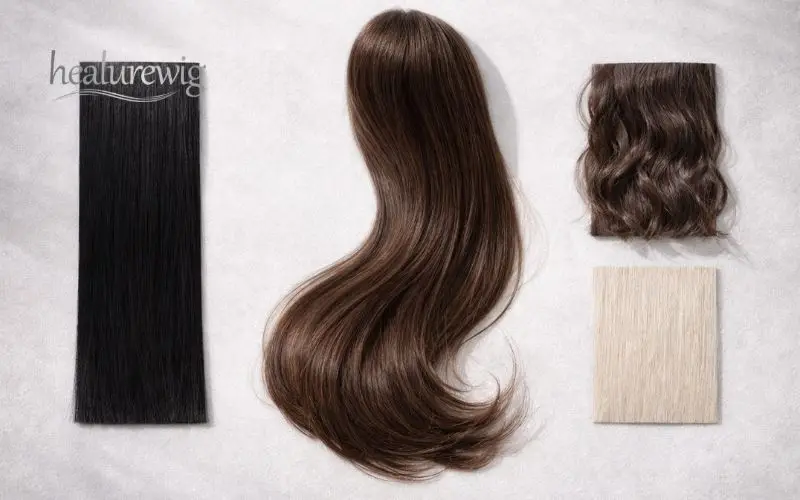
Indian hair: The industry gold standard
Indian hair is widely considered the gold standard in the premium hair replacement industry due to its incredible versatility. Much of this hair is ethically sourced from Hindu temples, where individuals voluntarily undergo tonsure as an act of religious devotion.
This “temple hair” is highly prized because it is often virgin, meaning it has never been subjected to harsh chemical dyes or perms. Its natural texture is typically fine to medium, with a slight, beautiful wave that blends seamlessly with many global hair types.
Asian hair: Strength, volume, and resilience
Hair sourced from regions across China and Southeast Asia is renowned for its remarkable structural integrity and thickness. The hair shaft in this demographic is naturally thicker, providing exceptional strength, volume, and durability.
This resilience makes Asian hair an excellent candidate for heavier processing, such as lifting to platinum blonde shades. Even after undergoing professional color treatments, it maintains its structural integrity and smooth, straight texture brilliantly.
European and Slavic hair: Fine, rare, and highly sought after
Genuine European and Slavic hair represents the absolute pinnacle of luxury in the hair replacement market. This hair is incredibly rare, as the donor pool in Eastern Europe is significantly smaller than in other global regions.
It features a naturally fine denier and a remarkably silky texture that moves with unparalleled fluidity and realism. Due to its scarcity and pristine natural state, European hair commands a premium price and offers an exceptionally elite wearing experience.
South American hair: Natural wave and body
South American hair, particularly from countries like Brazil and Peru, has seen a massive surge in global popularity. This hair type is celebrated for its natural density, incredible bounce, and robust, voluminous body.
It holds styling exceptionally well, meaning curls and waves will remain intact longer than with finer hair types. It bridges gap perfectly between the fine texture of Indian hair and the heavy density of Asian hair.
Traceability: The importance of a transparent supply chain
In the modern luxury market, knowing exactly how a product is sourced is just as important as the product itself. A truly premium brand prioritizes a completely traceable supply chain, documenting the hair’s exact journey from the initial donor.
This transparent tracing journey ensures that every single strand meets rigorous ethical, environmental, and quality control standards. Traceability is the ultimate guarantee of product integrity, ensuring consistency in every unit crafted.
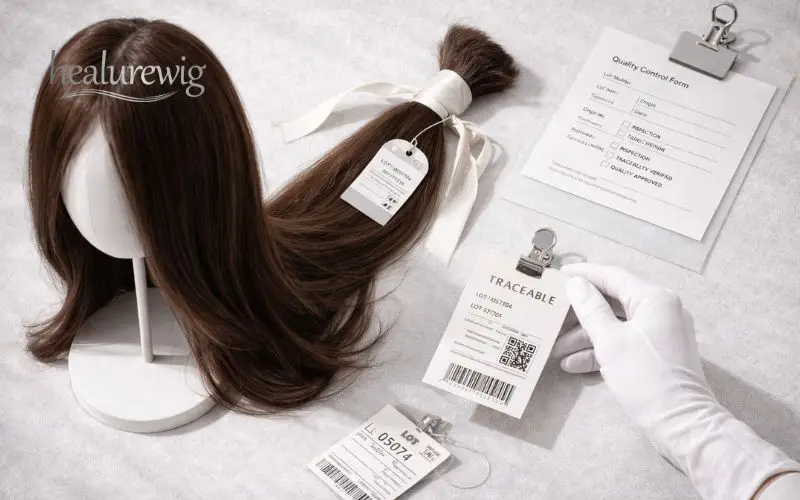
Tracing the journey from donor to final product
The journey of premium hair begins with careful, documented collection methods that prioritize the health of the raw material. From the moment the hair is cut, it must be carefully bundled to maintain its natural directional flow.
Expert brands track these bundles through every stage of washing, gentle depigmentation, and final knotting. This meticulous tracing journey is what separates truly flawless luxury pieces from mass-produced alternatives.
Ethical sourcing vs. exploitation in the hair market
The global hair trade can be complex, making ethical sourcing a paramount concern for conscious consumers and premium brands alike. Ethical sourcing means donors are compensated fairly or that hair is collected through verified, voluntary religious donations.
It stands in stark contrast to exploitative practices that prioritize cheap volume over human dignity and product quality. Choosing a brand committed to ethical sourcing ensures your investment supports fair global trade practices.
The Healure standard of transparency
Healurewig operates on a foundation of absolute transparency and uncompromising ethical standards in our sourcing protocols. We partner exclusively with verified collection streams that guarantee fair treatment and pristine raw materials.
Our commitment to traceability means our partners and consumers can trust the origins and the enduring quality of our hairpieces. We believe that true luxury begins with ethical responsibility and a flawless, transparent supply chain.
How hair is harvested and processed (and why it matters)
The geographical origin of the hair is only half of the equation; how it is handled afterward dictates its final quality. Improper harvesting and harsh chemical processing can destroy even the finest virgin European or Indian hair.
Understanding these technical processes helps you appreciate the craftsmanship behind a truly premium, long-lasting wig. Let us break down the terminology that defines high-end hair manufacturing.
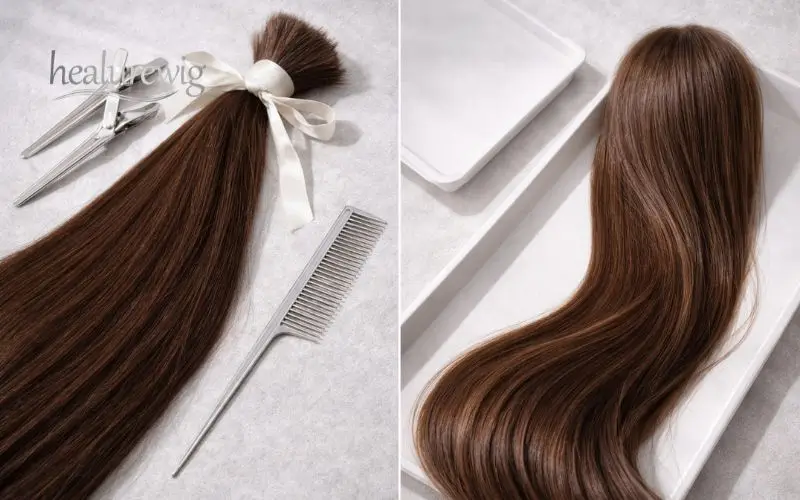
The critical role of cuticle alignment (Remy hair)
The term “Remy” refers to a harvesting technique where hair is collected in a ponytail before it is cut. This crucial step ensures that all the microscopic cuticles on the hair shaft remain aligned in the same downward direction.
When cuticles are aligned, the hair mimics natural growth, drastically reducing friction, tangling, and severe matting. Non-Remy hair requires harsh acid baths to strip the cuticles entirely, resulting in a weak, lifeless final product.
Virgin hair vs. processed hair
Virgin hair refers to raw human hair that has never been chemically altered by dyes, bleaches, or harsh perms by the donor. Starting with virgin hair is essential for luxury wigs, as the foundational canvas is strong, healthy, and highly receptive to salon coloring.
Processed hair, while not inherently bad if done by experts, has been altered to achieve specific, uniform colors or textures. Premium manufacturers only use the gentlest processing techniques on virgin hair to maintain its luxurious, soft feel.
The art of gentle de-pigmentation
Transforming dark natural hair into beautiful blondes or vibrant fashion colors requires an expert de-pigmentation process. Mass-market factories use aggressive bleaches that strip the hair’s moisture and destroy its structural elasticity.
Premium facilities use slow, low-impact osmosis processes over several weeks to lift color without damaging the delicate cuticle. This gentle artistry ensures the hair remains supple, hydrated, and exceptionally long-lasting, even in the lightest shades.
How origin impacts your wig care and maintenance
The origin and inherent texture of your human hair wig directly dictate the type of maintenance it will require. A one-size-fits-all approach to hair care will inevitably shorten the lifespan of a premium hairpiece.
By understanding your wig’s origins, you can curate a highly specific, expert-level care regimen. This tailored approach ensures your investment remains vibrant and natural-looking for years.
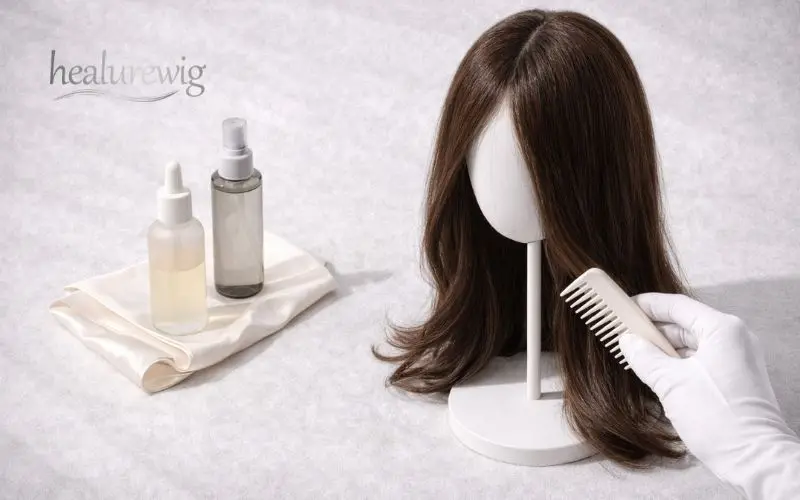
Tailoring your routine to the hair’s natural characteristics
Fine European hair requires lightweight, volumizing hydration that will not weigh down the delicate strands or loosen the knots. Conversely, thicker Asian or South American hair thrives on rich, penetrating moisture masks containing argan or macadamia oils.
Indian hair, with its natural wave, benefits greatly from curl-defining serums and gentle, sulfate-free co-washing techniques. Always select salon-grade products specifically formulated for the exact texture profile of your chosen hairpiece.
Advanced preservation techniques for premium pieces
Regardless of origin, all premium human hair wigs lack the natural sebum (oil) production of a living scalp. Therefore, advanced preservation requires proactive hydration, specifically focusing on the mid-lengths and ends of the hair.
Always use thermal protectant sprays before applying hot tools, keeping temperatures below 350°F to prevent cuticle singeing. Additionally, applying UV-protectant sprays will prevent environmental color oxidation, preserving the rich, expert dye job.
Choosing the right hair origin for your desired look
Selecting the right wig is a highly personalized process that hinges on your aesthetic goals and lifestyle. Knowing the global origins allows you to make an educated decision rather than relying on guesswork.
Different hair types excel in different environments and style applications. Here is a guide to matching your desired look with the perfect hair origin.
Matching texture and density
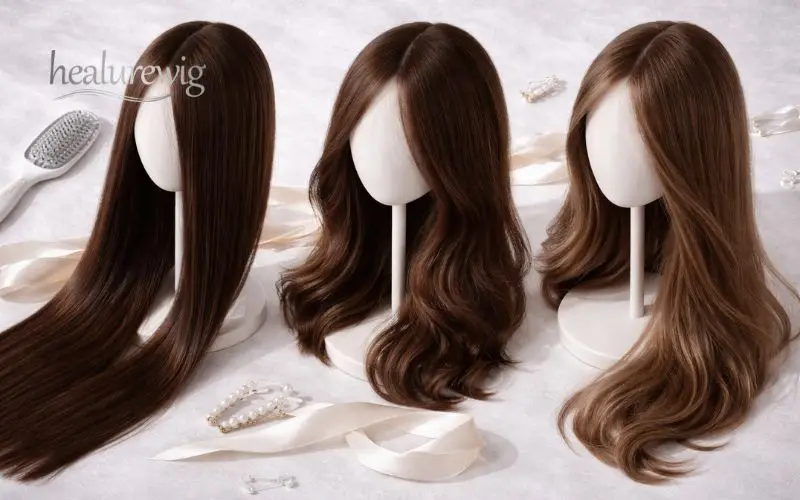
If your goal is a sleek, ultra-straight, and heavy-density look, premium Asian hair is your ideal choice. For versatile, everyday wear with a natural, bouncy body that holds curls beautifully, Indian hair is the perfect match.
If you desire a flat-to-the-head, incredibly fine, and hyper-realistic aesthetic, investing in European hair is the ultimate solution. Consulting with a hair replacement specialist can further help you align these origin characteristics with your personal needs.
FAQs: “Where do human hair wigs come from?”
Is it ethical to wear human hair wigs?
Yes, it is entirely ethical when the product is sourced from brands with traceable, transparent supply chains. Premium brands ensure hair is obtained through verified voluntary religious donation or by providing fair financial compensation to donors.
How can I tell if a wig is made from real, ethically sourced human hair?
Authentic, ethically sourced human hair will move naturally and possess intact cuticles (Remy). While technical “burn tests” can verify human hair, the ultimate guarantee is purchasing from reputable brands with published, transparent sourcing standards.
Why is European hair so much more expensive?
The pricing reflects simple supply and demand economics. The donor pool in Eastern Europe is exceptionally small compared to Asia or India, making genuine, healthy, virgin European hair an incredibly rare and valuable luxury commodity.
Does the origin of the hair affect how long the wig will last?
Absolutely. While thicker hair types (like Asian hair) possess inherent structural durability, the true determiner of longevity is whether the hair is Remy and the gentleness of the manufacturing process it underwent after harvesting.
Knowing exactly where do human hair wigs come from empowers you to choose ethical, long-lasting luxury. By understanding the sourcing journey, you ensure your investment is protected through proper, origin-specific care. Explore the Healurewig collection today to experience the unmatched quality of fully traceable, expertly crafted premium human hair.