
With a premium human hair wig, you can style it any way you want and it looks totally natural. But a very important question is, can lace front wigs damage your hairline? Luxury wigs are a safe protective style, thanks to expert care and high-quality construction, which helps keep your natural edges healthy.
The short answer: Do lace fronts cause hair loss?
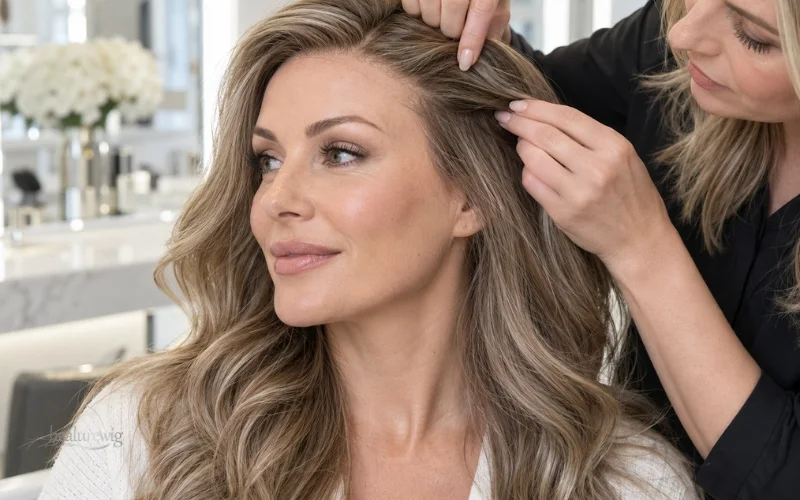
Many wearers worry that wearing hair systems will inevitably lead to edge thinning. However, a high-quality wig itself is rarely the direct cause of hair loss.
Usually the damage is caused by external factors, like bad install, harsh glues or poor removal techniques. It is important to know what causes them for the long term health of your hair.
When hair loss is due to constant pulling, it is called traction alopecia. This is caused by tight installations placing constant, extreme stress on fragile hair follicles.
Another common problem is contact dermatitis. This allergic response occurs when non-cosmetic aggressive glues are applied directly on the skin or baby hairs.
Premium wigs, when worn and taken off correctly, can shield your natural hair from environmental stressors. They protect against everyday manipulation, UV rays and harsh weather.
By choosing expertly crafted wigs and following professional protocols, you can enjoy limitless styling. Your natural hairline will remain completely intact and healthy underneath.
5 common culprits: How lace front wigs can damage your hairline
To protect your edges, you must first understand the mechanics of hairline damage. Let us explore the exact reasons why hair loss occurs under wigs.

1. Improper installation and harsh adhesives
Using the wrong type of adhesive is a primary cause of hairline thinning. Non-cosmetic glues or extreme-hold styling gels contain high alcohol content.
When applied incorrectly, these harsh chemicals seep into the natural hair follicles. This clogs the pores, weakens the hair shaft, and prevents healthy growth.
Furthermore, applying glue directly on top of your natural baby hairs is disastrous. As the glue dries and shrinks, it pulls the hair straight from the root.
Always ensure that adhesives are placed strictly on the skin, slightly ahead of your natural edges. Precision application protects your delicate hair from chemical bonds.
2. Rushed or aggressive removal processes
Rushed removal is arguably the most common cause of permanent edge damage. Patience is an absolute requirement when taking down a glued installation.
Physically ripping or peeling off a wig without adequate solvent causes extreme trauma. It rips the hair follicle directly out of the scalp.
Failing to let the adhesive remover break down the chemical bonds is a costly mistake. Always respect the solvent’s required activation time before lifting the lace.
3. Friction from poorly fitted wigs
Cap sizing is important for a healthy hairline. A wig that is too tight constantly rubs on the vulnerable edge hairs in an abrasive way.
Over time, this relentless rubbing literally saws away at the hair shaft. It results in massive breakage, split ends and general thinning of the edges.
The wig caps are well made and designed to distribute tension evenly on the head. The lower-end, stiff caps aren’t designed like this so all the stress is on your edges.
4. Neglecting scalp hygiene and natural hair care
The “out of sight, out of mind” mentality is so detrimental to natural hair. Your scalp has to be cleaned and moisturized at all times even with a premium wig.
Sweat, natural oils and product buildup accumulate quickly under the wig cap. It creates a warm, moist environment for bad bacteria to grow.
Such bacterial growth can cause folliculitis , an inflammation of the hair follicles. The hair comes out rapidly from inflamed follicles and the hairline recedes perceptibly.
5. Wearing the wig for too long (extended wear)
Leaving a glued installation on for four or more weeks poses significant risks. Your natural hair follows a daily shedding cycle of 50 to 100 hairs.
When trapped beneath a wig for weeks, this shed hair has nowhere to go. It wraps around your growing hair, causing severe matting at the root.
Detangling this matted hair often results in massive hair loss. Extended wear also prevents the scalp from breathing, weakening the overall hairline structure.
The ultimate prevention protocol: How to protect your edges under a wig
Maintaining your hairline requires a proactive, professional-grade approach. Use this step-by-step prevention protocol to keep your edges looking flawless and full.

1. Start with a high-quality foundation
Your natural hair preparation dictates the safety of your entire installation. Begin with a flat, low-tension braid pattern to reduce bulk smoothly.
Avoid braiding the hair too tightly along the hairline. High tension at the root immediately compromises the follicle before the wig is even applied.
Use barriers like silk edge bands or skin protectant sprays. The “bald cap method” is the use of a wig cap to protect natural hair from adhesives.
2. Precision trimming: Customizing the lace for your hairline
If you cut the lace properly you won’t be gluing the wig to your natural hair. Leaving too much lace forces awkward adhesive placement over your edges.
Conversely, cutting the lace too far back exposes the thickest part of the wig. This ruins the natural illusion and increases friction against the scalp.
Premium HD lace or transparent lace melts seamlessly into the skin ahead of your hairline. This advanced material requires significantly less adhesive for a secure hold.
3. Choose skin-safe, edge-friendly adhesives
Not all wig glues are the same. You need to know the difference between water-based adhesives, double-sided tapes and gentle holding sprays.
Water-based cosmetic glues are generally safer for hair follicles and sensitive skin. They provide a powerful hold, but without the harsh chemicals of industrial glues.
Tape adhesives are another great option for those with sensitive skin. High-quality double-sided wig tapes are easy to apply and remove and reduce tension.
Always do a patch test before applying any new adhesive to your hairline. The secret for healthy and active hair follicles is to avoid allergic inflammation.
4. The “glueless” advantage: A safer alternative for daily wear
The quality glueless lace front wigs are the best option for hairline protection. They remove the need for chemical adhesives entirely.
These high-end caps have adjustable elastic bands, silicone anti-slip strips and side combs. This construction is deliberately done to hold the wig in place without any drop of glue.
Choosing expertly crafted glueless wigs allows your scalp to breathe daily. It is the safest, most convenient method for modern, luxury hair replacement.
Master the removal process: Zero-damage techniques
Safe removal is where you truly protect your investment and your natural hair. B2B professionals frequently share this exact zero-damage protocol with top-tier clientele.

1. Match the solvent to the adhesive
Water and soap will not safely remove waterproof lace glue. You must use a solvent specifically formulated to dissolve your chosen adhesive.
Alcohol-based removers dry out the skin and edges, but work fast. Mild citrus oil based solvents that feed the hairline and dissolve the glue.
Never mix random household chemicals to remove your wig Use professional-grade removers so as not to disturb your hair follicles.
2. The “soak and slide” method
Step one is to thoroughly saturate the lace and adhesive with your chosen solvent. Do not skimp on the product; ensure the entire glued area is soaked.
Step two requires utmost patience. Wait three to five minutes to allow the chemical bond to dissolve completely.
Step three is the “slide.” Gently massage the lace and slide it backward toward the crown. Never pull up or peel the lace away from the skin.
Step four involves careful post-removal cleanup. Use a microfiber towel and extra solvent to wipe sticky residue from the skin and baby hairs.
Advanced scalp and hairline care between installs

Maintaining a healthy scalp requires dedicated care between your wig installations. Hydration and nutrition are the building blocks of strong, resilient edges.
Apply a light carrier oil such as jojoba or argan oil to your hairline. Massage them in gently to help stimulate blood flow and encourage natural regrowth.
Add essential oils such as rosemary or peppermint to help stimulate the follicles. Always dilute them properly to prevent irritating your freshly exposed scalp.
For optimal hair health, observe the “breathing days” rule. Give your scalp a chance to breathe, allow 24 to 48 hours between glued installs.
This rest period allows your skin to rehydrate and recover from structural tension. It is a mandatory step for anyone wearing wigs long-term.
FAQs: Can lace front wigs damage your hairline
How long can I safely leave a glued lace front wig on?
Usually the safe timeline is one to two weeks max depending on your lifestyle. Very active people who sweat a lot should remove their wigs earlier.
Your skin’s pH balance can be altered by long-term adhesive contact with your skin. This leads to irritation, redness and eventually hair loss.
If you wear it more than two weeks, you don’t get to properly detox your scalp and shed your hair naturally. Regular removal is essential to avoid bacterial build up and root matting.
Can my hairline grow back if it was damaged by wig glue?
Yes, in most cases, damaged edges can be fully restored over time. If the follicle is not permanently scarred, a zero-tension regimen works wonders.
Concentrate on deep moisturization, scalp massages and glueless wigs only. With regular care, noticeable regrowth usually shows up between three and six months.
Are human hair lace fronts safer for my edges than synthetic ones?
The safety of the hair fiber is largely determined by the construction of the cap and not by the hair fiber itself. However, premium human hair wigs come with softer hand tied Swiss or HD lace.
This delicate lace is a lot less abrasive on your edges. Entry-level synthetic wigs often have a rougher, stiffer lace that creates damaging friction.
What is the best wig cap to protect my hairline?
The ideal choice is a breathable nylon or spandex stocking cap. Pair this with a high-quality skin-protectant barrier spray for maximum security.
Avoid thick, highly restrictive caps that reduce blood circulation to your edges. Your natural hair needs to breathe and receive proper blood flow to thrive.
So, can lace front wigs damage your hairline? They only damage when not installed properly, with nasty glues, or poorly built. You’re guarantyd stunning styles, but maintaining your natural edges fully protected with expert care and investment in the consistent, premium quality of Healurewig’s ethically sourced collections.