
The search for the perfect hair replacement solution often begins with a single question: are human hair wigs more comfortable than their synthetic counterparts? The short answer is yes, but the reasons are deeply rooted in the fiber quality, cap craftsmanship, and professional care. Understanding these factors is key to making a lasting investment in your comfort and confidence.
Understanding wig comfort: beyond the first try-on

Comfort in the world of high-end wigs is a multi-faceted experience. It extends far beyond the soft texture you feel in your hand.
True comfort is defined by the four pillars of long-term wearability: weight, breathability, texture/softness, and a secure cap fit. A premium wig must satisfy all four requirements throughout the day, across different climates.
Initial feel can often be misleading, which is why we focus on performance during extended daily wear.
The journey to true comfort requires evaluating both the hair material and the engineering of the cap that rests against your scalp.
What makes human hair wigs superior for all-day comfort?
While synthetic wigs offer practical, low-maintenance benefits, high-quality human hair wigs inherently possess physical properties that are superior for continuous, long-term wear.
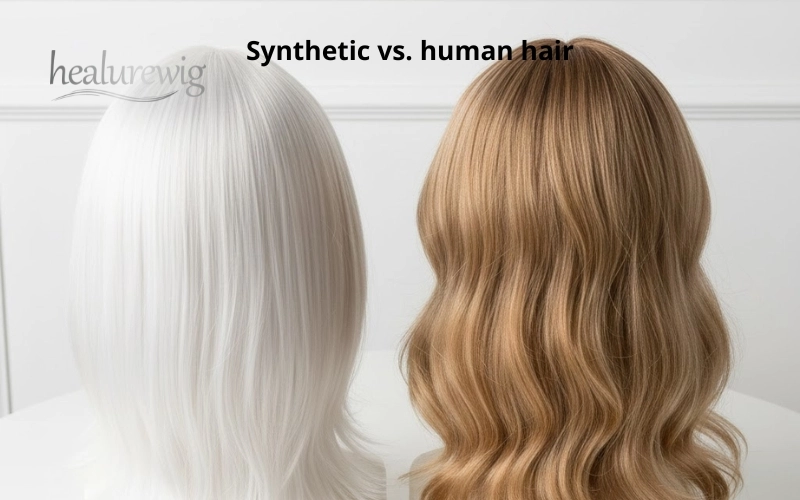
1. Natural fiber dynamics: weight, movement, and softness
Premium human hair is naturally lighter in weight than the dense plastic fibers used in most synthetics. This results in a noticeable reduction of pressure across the scalp.
The natural flow and movement of human hair also contribute to a less restrictive, more natural-feel experience. It minimizes the friction and stiffness often associated with less dynamic materials.
This softness remains consistent even after multiple washes, resisting the gradual texture degradation seen in synthetic options.
2. Better heat and moisture regulation
A critical factor for all-day comfort is how the material handles the environment beneath the wig.
Human hair dissipates body heat and manages moisture more effectively than synthetic fibers, which can trap heat close to the scalp.
This superior heat regulation is vital for users living in warm climates or for those who wear their hair replacement for long hours, reducing sweat and discomfort.
3. Scalp-friendly properties for sensitive users
For individuals dealing with hair loss or scalp sensitivity, the material that touches the head is crucial.
High-quality human hair, particularly cuticle-aligned hair, reduces the likelihood of static charge and friction. This minimizes irritation and abrasion on delicate skin.
The ability to easily clean and condition the natural fiber also prevents product buildup that can lead to scalp itching or discomfort.
Cap construction & comfort: the feature that matters most for wearability
The most significant factor determining if are human hair wigs more comfortable is the cap construction, not just the hair type. The finest human hair on a poorly constructed cap will still feel uncomfortable.
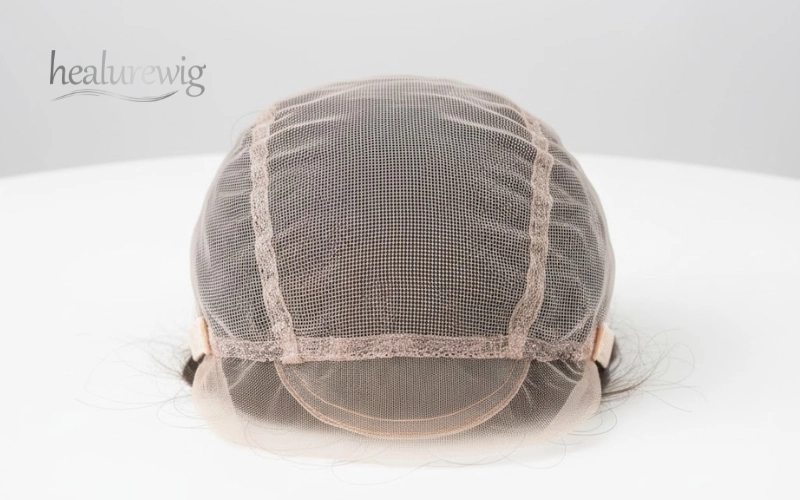
Hand-tied caps: the apex of lightweight comfort
A 100% hand-tied cap is widely considered the most comfortable wig cap available. Each strand is individually knotted onto a soft, sheer base.
Because there are no bulky wefts (strips of hair sewn together), this construction eliminates pressure points. The cap molds to the head shape, offering unparalleled flexibility and a remarkably light feel.
This technology is especially beneficial for those seeking true extended daily wear solutions.
Full lace and monofilament: maximizing breathability and softness
Full lace caps provide maximum breathability, making them an ideal choice for active users or humid environments. The sheer lace allows air to circulate freely across the scalp.
Monofilament caps feature a soft, sheer mesh at the crown, which is exceptionally gentle on sensitive scalps. The mesh mimics the look of natural hair growth and offers superior comfort without sacrificing realism.
The role of pu perimeter features
Many premium caps include thin polyurethane (PU) strips along the perimeter. These features help secure the wig safely and comfortably.
While useful for adherence, the design ensures they remain thin and flexible, minimizing bulk and avoiding common points of friction.
Factors that undermine comfort
Even the most luxurious human hair wigs can feel uncomfortable if these common factors are overlooked.

The pitfalls of improper cap size and fit
The most frequent cause of wig discomfort is incorrect sizing. A cap that is too tight can cause headaches and painful pressure points, particularly at the temples.
Conversely, a cap that is too loose will shift, causing friction and subsequent irritation or wig itching solutions are needed.
Accurate head measurements and professional adjustment of tabs and straps are non-negotiable for achieving a secure, comfortable fit.
Wig density and weight distribution
Wig density (how much hair is placed on the cap) directly correlates with the final weight. While higher density can achieve a glamorous look, it can also strain the scalp over time.
For true everyday comfort, most professionals recommend a medium density that provides natural fullness without excessive, heavy bulk. Lighter-weight construction allows the hair to flow naturally.
Maintenance and smoothness
Tangled, dry, or damaged hair fibers, even human hair, will inevitably lead to discomfort. The friction caused by matted hair can transfer through the cap to the scalp.
Maintaining fiber smoothness through high-quality, non-heavy conditioning is essential for preventing friction and ensuring smooth, comfortable wear.
A practical guide: how to optimize human hair wig comfort
Achieving lasting comfort is an ongoing process that involves thoughtful choices and careful daily habits.

Professional adjustment and customization
Always utilize the expertise of a professional stylist or consultant for customization. They can precisely trim ear tabs, thin out hair density, and adjust internal elastic bands.
These micro-adjustments personalize the fit, eliminating the specific areas of tightness or rubbing that cause long-term discomfort.
Scalp preparation for long-hour wear
Proper scalp care before application is vital for reducing potential wig scalp sensitivity. Ensure your scalp is clean and moisturized before wearing.
Using a thin, breathable bamboo or mesh liner acts as a soft barrier, helping to wick away moisture and preventing direct friction between the cap materials and the skin.
Choosing the right cap construction for your lifestyle
Match the cap to your activity level. If you are highly active or live in a humid climate, prioritize a ventilated cap like a full lace or lace front.
If your priority is a soft feel against a sensitive scalp, the seamless interior of a hand-tied cap should be your preferred choice.
FAQs about wig comfort
Are human hair wigs more comfortable for daily wear?
Yes, due to their natural weight, movement, and ability to handle temperature changes, high-quality human hair wigs are significantly more comfortable for true daily wear than most synthetic options.
Do human hair wigs make your head hot (wig heat build-up)?
All wigs will retain some heat, but human hair wigs, especially those with advanced lace or hand-tied caps, manage heat and allow airflow much better than solid, machine-wefted caps typically found in lower-end synthetics.
Which wig cap is the most comfortable for sensitive scalps?
The monofilament and 100% hand-tied caps are considered the most comfortable for sensitive scalps because they feature the softest, sheerest materials that minimize rubbing and pressure.
Is a hand-tied wig more comfortable than a machine-made wig?
Unequivocally yes. Hand-tied wigs are lighter, more flexible, and eliminate the stiff, thick seams (wefts) that cause pressure and stiffness in machine-made caps.
What is the most comfortable density for an everyday human hair wig?
For optimal everyday comfort and natural movement without excessive weight, a medium density (typically 130%-150%) is generally recommended by experts.
The answer to the question, are human hair wigs more comfortable, is affirmative, but it comes with a condition: comfort is a function of uncompromising quality. It is achieved through combining ethically sourced, superior human hair with specialized, technically advanced cap constructions. When considering your next hair replacement, evaluate the cap technology, the hair quality, and the professional fit-these are the details that separate a wearable wig from a truly comfortable, long-term solution. Investing in premium craftsmanship ensures a product that provides both natural beauty and enduring comfort.